
If you've noticed the same appliance part failing every couple of years, or a fine white crust building up around faucets and inside your dishwasher, hard water is very likely part of the story. North Texas sits solidly in "hard" to "very hard" territory, and that mineral load takes a real, measurable toll on the appliances that handle water every day.
How hard is North Texas water, really?
Water hardness is measured in grains per gallon (gpg), and anything over 7 gpg is classified as hard. Dallas Water Utilities' own reports put the city's average hardness around 8 to 9 gpg, while regional water quality studies across the broader Dallas-Fort Worth area — sourced from surface reservoirs that flow over limestone — often measure higher, into the 10 to 17 gpg range depending on the specific municipal supply. Either way, if you're on a North Texas municipal water system, your appliances are working with meaningfully harder water than the national average.
What hard water actually does, appliance by appliance
Ice makers
The water inlet valve and fill tube are the first parts to scale up, which is a major reason we see repeat ice maker service calls in this region. See our ice maker repair guide for the full breakdown.
Dishwashers
Mineral spots on glassware, a cloudy film on dishes, and a heating element coated in scale are all classic hard water signs. Rinse-aid use and a citric acid cleaning cycle every few months both help meaningfully.
Washers
Hard water reduces how well detergent lathers, which means clothes can come out less clean unless you use more detergent than the bottle recommends. Mineral buildup inside water valves is also a contributing factor in the "LF" and long-fill error codes we cover on several brand pages.
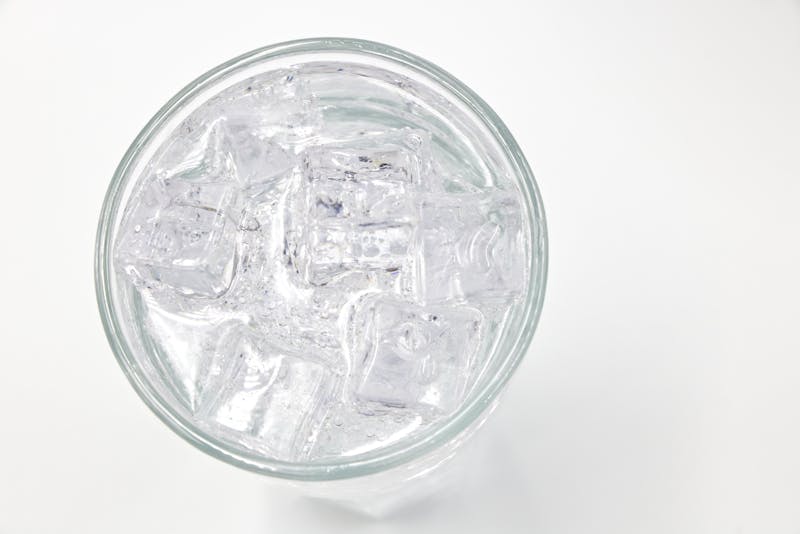
Refrigerator water dispensers
The same inlet valve and filter system that feeds the ice maker also feeds the door dispenser, and both are prone to reduced flow as mineral scale narrows the internal passages over time.
Signs hard water is affecting your home
- White or chalky crust around faucets, showerheads, or inside the dishwasher door
- Glassware that comes out of the dishwasher cloudy no matter how it's loaded
- Soap or detergent that doesn't lather well
- The same water-related part failing again within a year or two of replacement
What actually helps
A few habits make a real difference without requiring a whole-house system:
- Replace refrigerator water filters every 6 months — this is the single most effective habit for slowing ice maker and dispenser scale buildup.
- Run a citric acid or dishwasher-cleaner cycle in your dishwasher every 1 to 3 months.
- Use rinse aid consistently in the dishwasher to reduce spotting even with hard water.
- For a more complete fix, a whole-house water softener addresses the mineral load before it ever reaches your appliances — worth discussing with a plumber if repeat scale-related repairs become a pattern.
Frequently asked questions
Is North Texas tap water safe to drink despite being hard?+
Yes. Hardness minerals like calcium and magnesium aren't a health concern — the issue is purely about scale buildup in plumbing and appliances, not water safety.
Which appliance is most affected by hard water in this area?+
Ice makers tend to show hard water problems first and most often, since the fill tube and inlet valve are narrow passages that scale up relatively quickly.
Do I need a whole-house water softener?+
Not necessarily. Regular filter changes and cleaning cycles handle a lot of the impact on appliances specifically. A softener is worth considering if you're dealing with repeated scale-related repairs or want to address the broader plumbing system too.
How often should I replace my refrigerator water filter given the local water hardness?+
Every 6 months for most households, or every 3 to 4 months if you notice reduced flow or ice production sooner than that.
Same part keeps failing?
We'll diagnose whether hard water is the underlying cause and fix it properly.
Call (469) 848-8598